ZANZIBAR BEACH
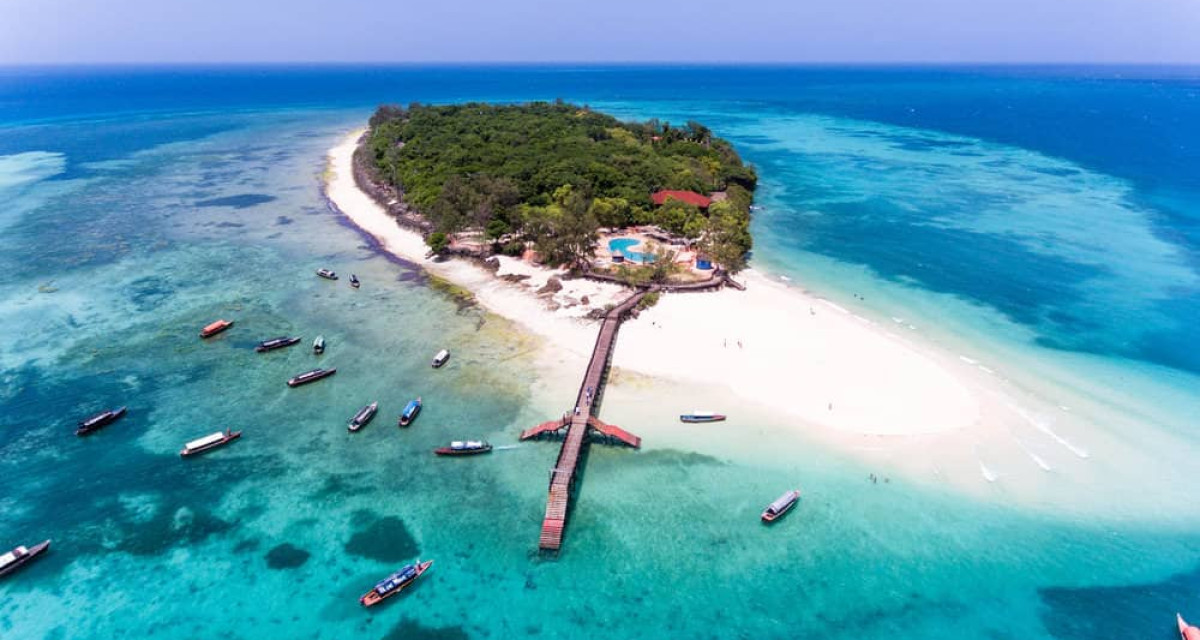
Zanzibar is a stunning archipelago off Tanzania's coast, renowned for its white-sand beaches, rich history, and vibrant culture. Known as the "Spice Island," it offers a perfect blend of relaxation, history, and adventure. Here is your comprehensive guide to this tropical paradise.
Stone Town: The Cultural Heart
The historical and cultural epicenter of Zanzibar is Stone Town, a UNESCO World Heritage Site. It's a captivating maze of narrow alleyways, ornately carved wooden doors, and ancient buildings where Swahili, Arab, Indian, and European influences blend.
Must-See Sights in Stone Town:
The Old Fort (Ngome Kongwe): A 17th-century fortification now hosting cultural events, film screenings, and a small market; entry is free.
House of Wonders (Beit al-Ajaib): A former sultan's palace with wide verandas, now housing a national museum.
The Slave Market (Anglican Cathedral): A powerful and poignant historical site built where the old slave market once stood.
Forodhani Gardens: A waterfront park where, in the evenings, a lively night market sets up, selling fresh seafood and local snacks.
Choosing Your Beach
Zanzibar's beaches vary significantly, so choosing the right one for your travel style is key. Here’s a breakdown of the main areas:
Nungwi & Kendwa (Northwest): The most developed and social beaches. They face west, offering stunning sunsets and minimal tides, so you can swim at any time. Best for: Nightlife, dining, and sunset lovers.
Paje (East Coast): The kitesurfing capital of Zanzibar, with consistent trade winds. Be aware of dramatic tidal shifts where the water retreats hundreds of meters at low tide. Best for: Kitesurfers and budget travelers.
Matemwe (Northeast): A quieter, more intimate area with boutique lodges. It's the closest departure point for the excellent diving at Mnemba Atoll. Best for: Couples seeking privacy and divers.
Jambiani (Southeast): A beach that retains a genuine local fishing-village character. You can see seaweed farming and experience daily Zanzibari life. Best for: Cultural immersion and an authentic experience.
Top Experiences & Activities
Beyond the beaches, Zanzibar is packed with unique things to do.
Spice Tours: Explore a spice farm to see, smell, and taste fresh spices like cloves, cinnamon, and vanilla. Learn about traditional farming methods passed down through generations.
Sunset Dhow Cruise: Sail on a traditional wooden dhow at sunset, enjoying the ocean breeze, tropical fruit, and music.
Snorkeling & Diving: The waters around Zanzibar are teeming with life. Mnemba Atoll is a premier spot for snorkeling and diving, where you can see turtles, dolphins, and colorful reef fish.
Prison Island (Changuu Island): Take a boat trip to this island, home to a colony of giant tortoises.
Jozani Forest: Visit this national park to see the rare Kirk's red colobus monkey, an endemic species.
Culinary Experiences: Sample authentic Zanzibari cuisine at the Forodhani Night Market, take a cooking class, or visit a local restaurant like Lukmaan in Stone Town.
Practical Information for Your Visit
Best Time to Visit: The best weather is during the dry seasons: June to October and December to February. For budget travelers, the rainy seasons (March-May and November) offer lower rates and fewer crowds.
Getting There:
By Air: Fly into Zanzibar International Airport (ZNZ), about a 15-minute drive from Stone Town.
By Ferry: Take a ferry from Dar es Salaam, which takes about 2 hours.
Getting Around:
Taxis are readily available in Stone Town.
Dala-dalas (shared minibuses) are a cheap option for budget travelers.
Renting a car is an option for exploring the relatively small island.
Important Note: Zanzibar is a majority Muslim island. Be mindful of local customs, especially during Ramadan, when many restaurants may be closed during the day.
Zanzibar offers a sensory feast from the scent of cloves and the sight of dhows on the horizon to the taste of fresh seafood and the feel of powder-soft sand. It's the perfect complement to a Tanzanian safari or a standalone island escape.