OLMOT AND EMBAKAI HIGHLAND
Olmoti Crater
Overview: Olmoti is an extinct volcano and caldera with a summit elevation of about 3,099 meters (10,167 feet). Its most recent volcanic activity dates back to the Pleistocene epoch, with lava flows estimated to be between 1.10 and 1.85 million years old. It's a quieter, less dramatic crater compared to its neighbors, but it's a key part of the highland ecosystem.
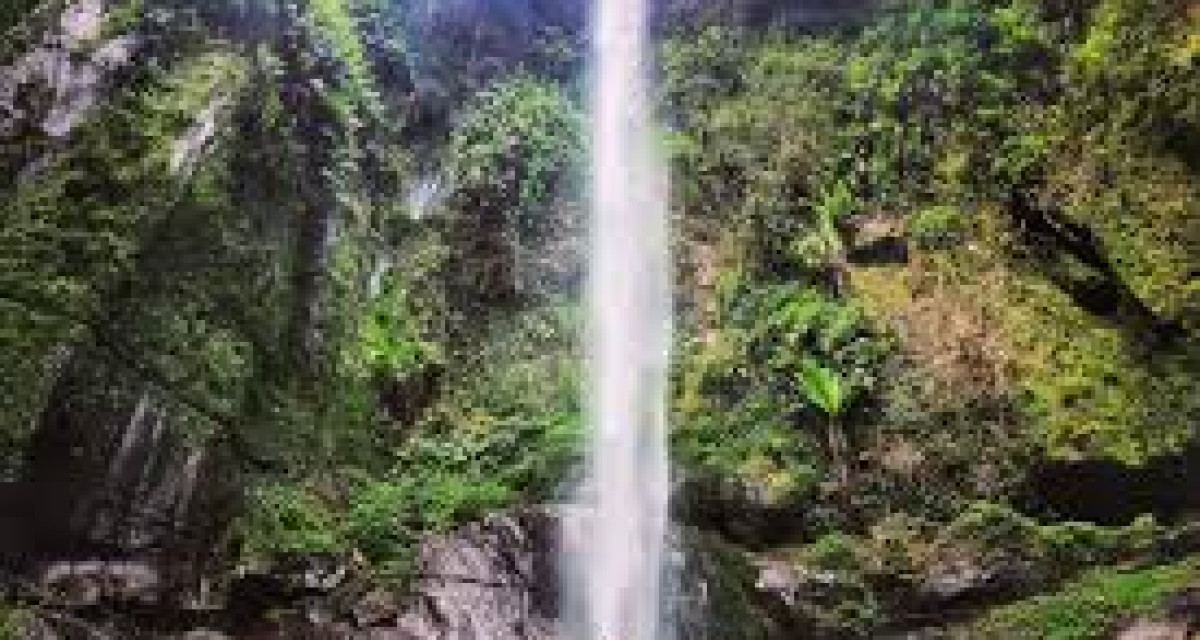
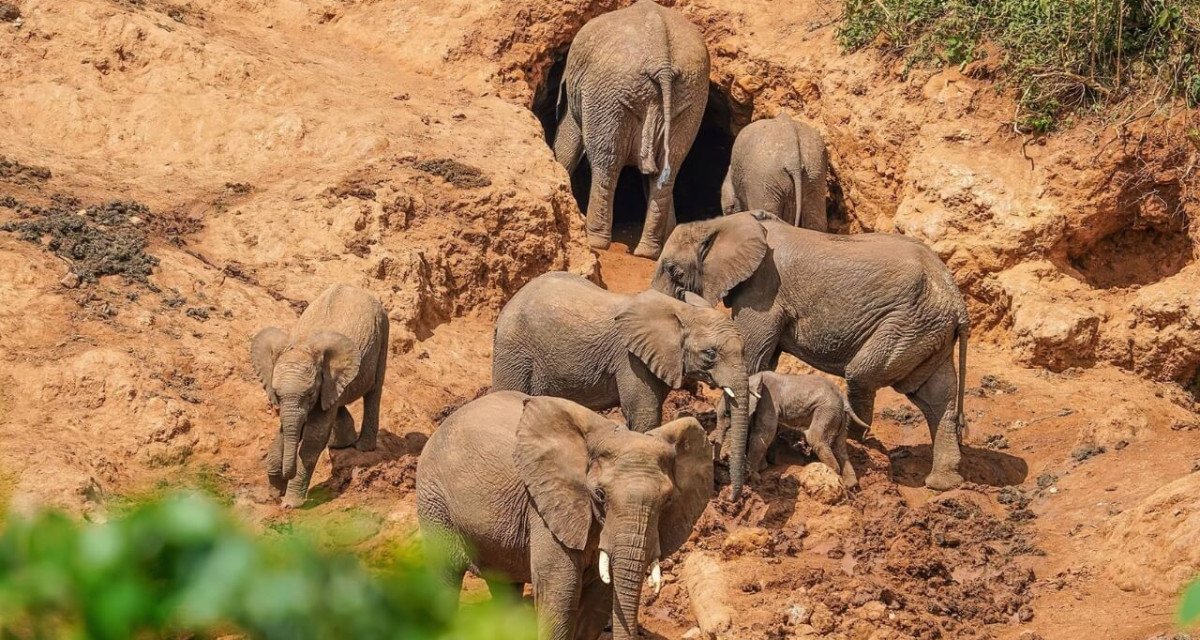
Landscape and Wildlife: Unlike the deep, lake-filled Empakaai, Olmoti's crater floor is relatively shallow and covered in grass, making it a good spot for walking safaris. The Munge River flows through the crater and over a scenic waterfall on its rim. While hiking, you might encounter wildlife such as buffalo, zebra, bushbuck, and occasionally elephants.
Activities:
Hiking: A short, one-hour round-trip walk from the end of the 4WD track leads to the crater's rim. You can also hike to the Munge Waterfall.
Walking Safaris: The area from Olmoti Crater to the Embakai Highlands is a suitable and popular route for organized walking safaris, often guided by local Maasai warriors and armed rangers.
Luxury Accommodation: The high-end camp, The Highlands, is situated on the slopes of the Olmoti volcano. It offers eight geodesic dome tents with panoramic views and serves as a perfect base for exploring the area.
Empakaai (Embakai) Crater
Overview: Located about 23 km northeast of Olmoti Crater, Empakaai is often considered by travelers to be a match in beauty for the world-famous Ngorongoro Crater. Its peak reaches 3,262 meters (10,702 feet).
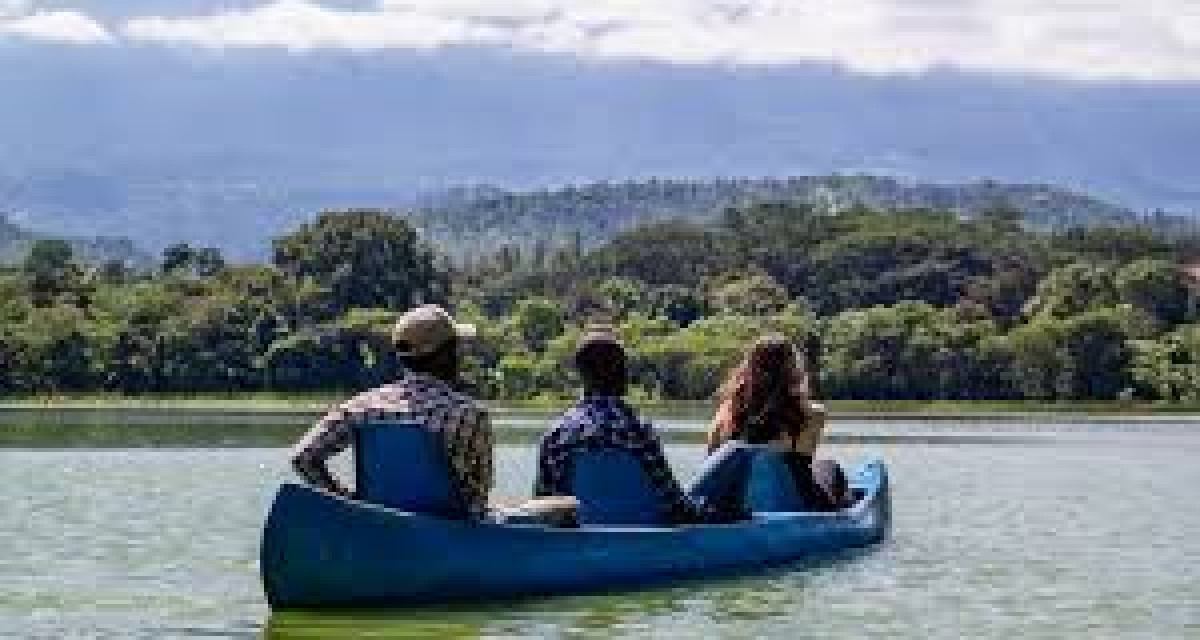
Landscape and Wildlife: The crater is a spectacular, steep-sided caldera with forested cliffs at least 300 meters high. The floor is dominated by a deep, alkaline soda lake (about 85 meters deep) that fills most of the crater. This lake is a major draw for wildlife, especially thousands of flamingos and other water birds. The surrounding forest is rich in birdlife and is home to animals like hyenas, buffalo, blue monkeys, and elephants.
Activities:
Hiking to the Lake: A well-kept trail descends from the crater rim through montane forest to the lake shore, taking about 30 minutes down and one hour to climb back up. It's also possible to circumnavigate the lake on foot, which takes at least four hours.
Scenic Views: The views from the crater rim are incredible, looking down at the turquoise lake and across to the perfect volcanic cone of Ol Doinyo Lengai, Tanzania's most active volcano, to the northeast.
The Ngorongoro Highlands
The area encompassing Olmoti and Empakaai is known as the Ngorongoro Highlands.
Geology: The highlands were formed over millions of years by eruptions connected to the birth of the Great Rift Valley. The older volcanoes collapsed, forming the striking calderas that define the region today.
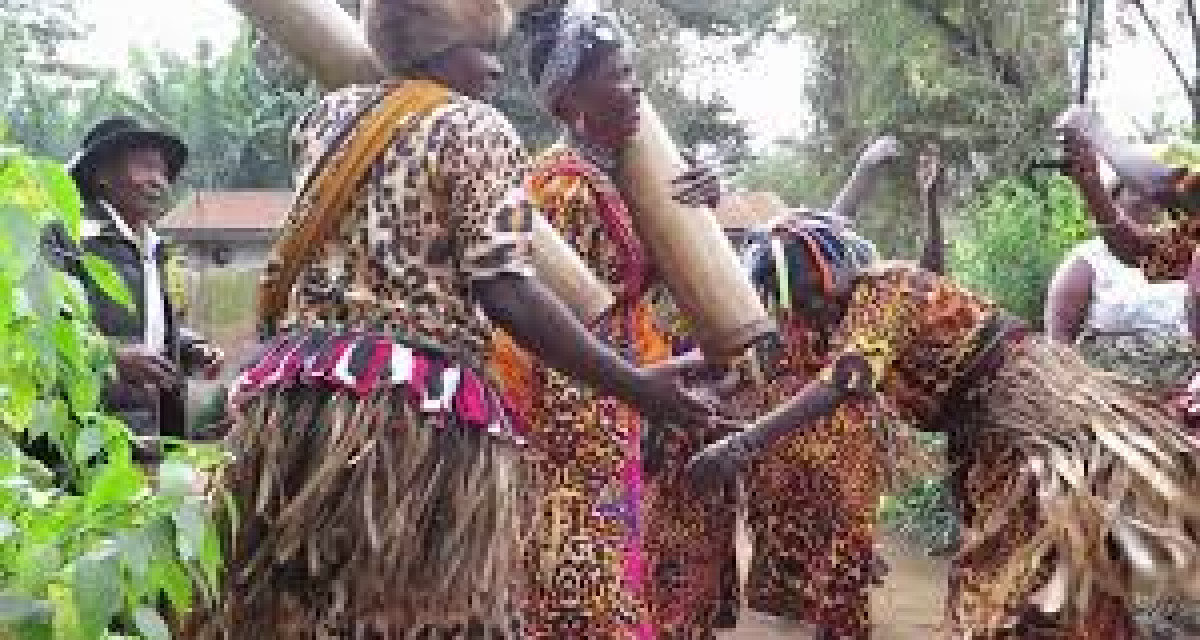
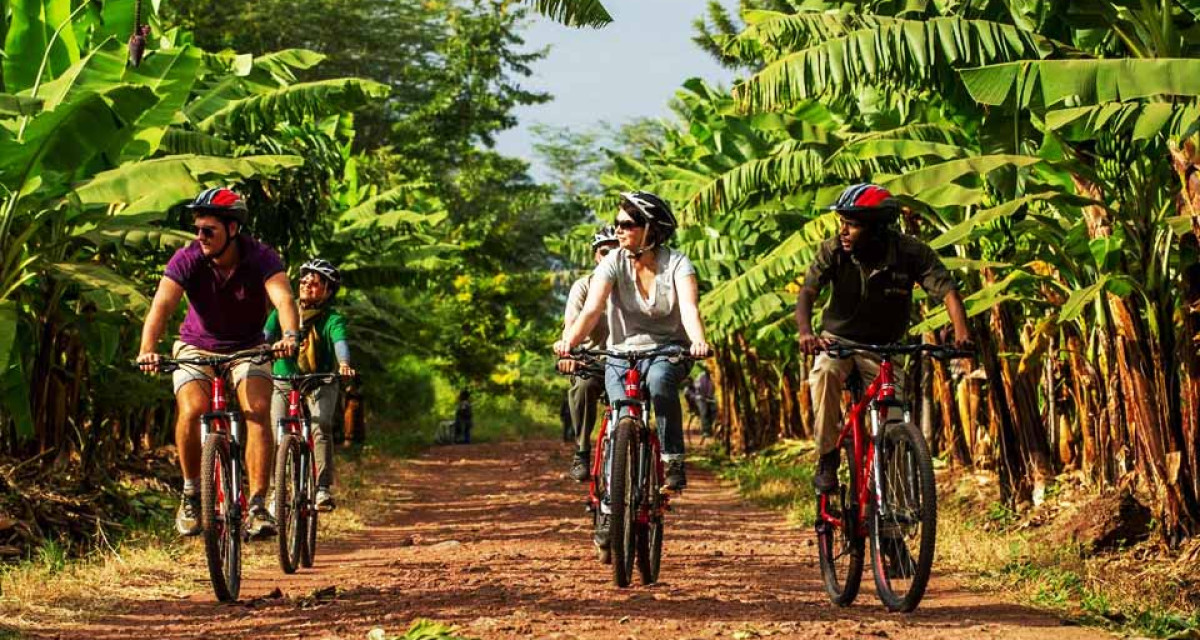
A Unique Experience: This region offers a peaceful, off-the-beaten-path experience away from the crowds at the main Ngorongoro Crater. Activities here focus on walking, trekking, and cultural visits to local Maasai communities, providing a more intimate connection with the landscape. You can find accommodations ranging from luxury tented camps like The Highlands to more basic fly camps for multi-day treks.
In summary, the Olmoti and Empakaai Highlands offer a stunning and adventurous complement to the classic safari experience, showcasing the volcanic majesty and rich biodiversity of Tanzania's Ngorongoro Conservation Area.