MAASAI CULTURAL
A Culture Centered on Cattle
At the heart of Maasai life is a profound spiritual and practical connection to cattle. Their culture revolves around the belief that God, known as Engai or Enkai, created cattle specifically for them, making them the custodians of all cattle on the planet.
Cattle are not just a source of food (milk and meat, which are considered holy) but are central to their communal life, social status, and economy. They are used for trade and to form alliances between families and clans.
Distinctive Attire and Shelter
The Maasai are renowned for their distinctive, vibrant attire and traditional homesteads:
Dress: The most recognizable symbol of Maasai culture is the brightly colored Shuka cloth, with red being a particularly favored color. They are also famous for their intricate handmade beadwork and body adornment, with styles varying based on gender, age, and location.
Shelter: Historically nomadic, the Maasai built temporary homes. Their traditional houses are circular or loaf-shaped and are constructed by the women using readily available local materials. Modern interpretations of these structures can be seen in safari camps like "The Highlands," whose design is inspired by traditional Maasai bomas (homesteads).
Rites of Passage: The Path to Adulthood
Maasai society is structured around age sets, and life is marked by significant ceremonies and rituals. Every Maasai male must undergo three interrelated rites of passage in his lifetime.
Ceremony Significance
Enkipaata The first rite, a pre-circumcision ceremony that inducts boys into the first stages of becoming a warrior (Moran).
Emuratare The most important initiation ceremony, which is the circumcision itself.
Eunoto Celebrated about eight years later, this marks the passage to adulthood.
Olng’esherr The final stage, representing the end of life as a Moran and the start of eldership.
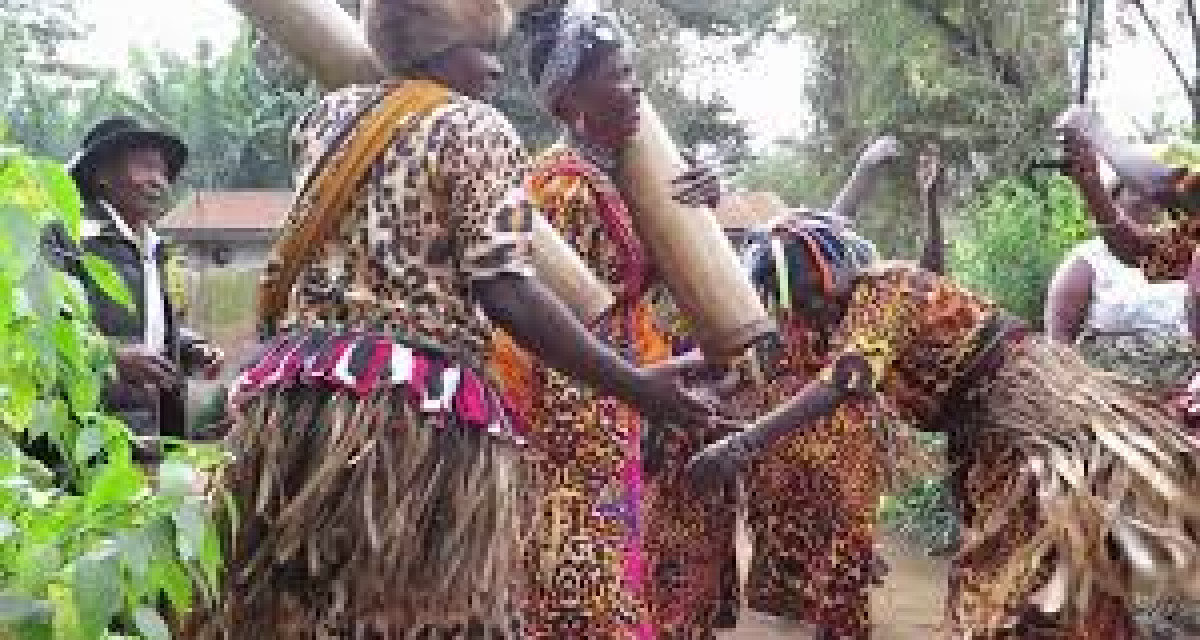
These ceremonies are steeped in tradition, featuring energetic singing, dancing (including the famous jumping dance by warriors), and the participation of the entire community.
Experiencing Maasai Culture in the Highlands
For visitors, there are meaningful ways to experience Maasai culture in the Olmoti and Empakaai area:
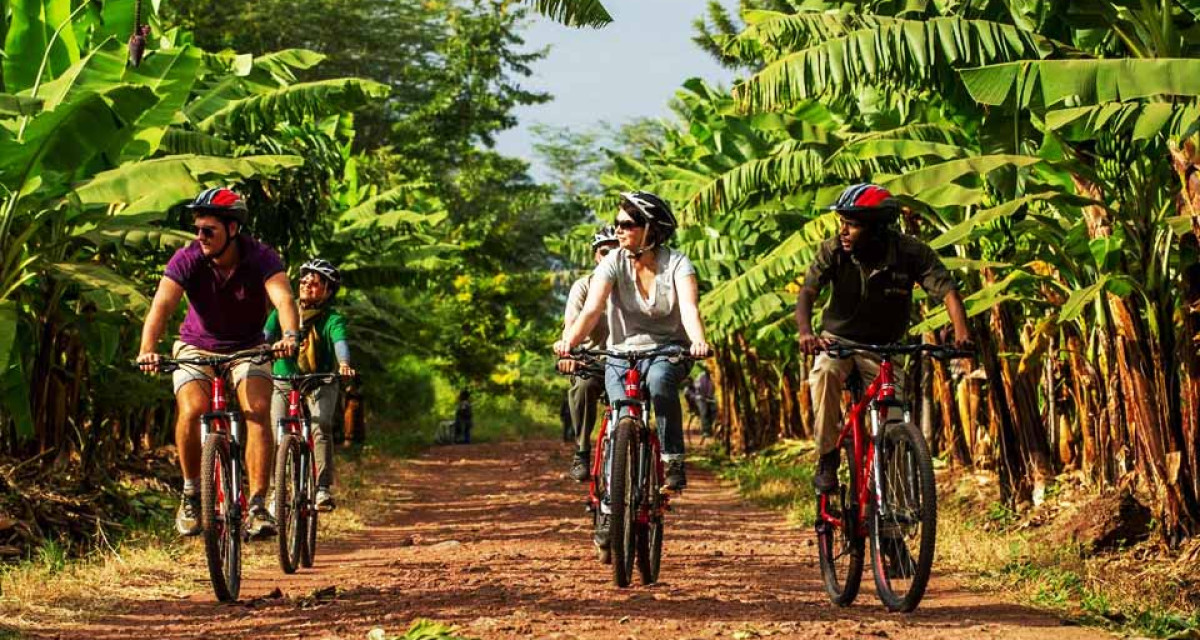
Guided Walks: You can take walks with Maasai guides along ancient cattle trails, which is a fantastic way to learn about the landscape from their perspective.
Village Visits: Many camps, such as Entamanu Ngorongoro and The Highlands, have established relationships with local communities to offer authentic village visits. These excursions often involve:
- A walk across the rolling highlands to the village.
- A traditional greeting with singing and dancing, where participation is encouraged.
- Learning about customary practices like fire-making and beadwork.
- The chance to enter a traditional home and ask questions (with a guide interpreting).
- Cultural Activities: You can also participate in activities like beading classes with local Maasai women.
A Culture Under Pressure
While the Maasai culture is vibrant, it faces significant challenges. The community's way of life and its ability to practice ancient traditions like Enkipaata are threatened by potential evictions from their ancestral lands within the Ngorongoro Conservation Area. These lands are considered sacred, and losing them would not only be a human rights issue but would also jeopardize the cultural heritage that has been practiced for generations.
In summary, the Maasai are not just a cultural attraction but the heart and soul of the Ngorongoro Highlands. Their deep connection to the land, their vibrant traditions, and the challenges they face make engaging with their culture a powerful and essential part of any visit to the Olmoti and Empakaai region.