CHAGGA CULTURAL
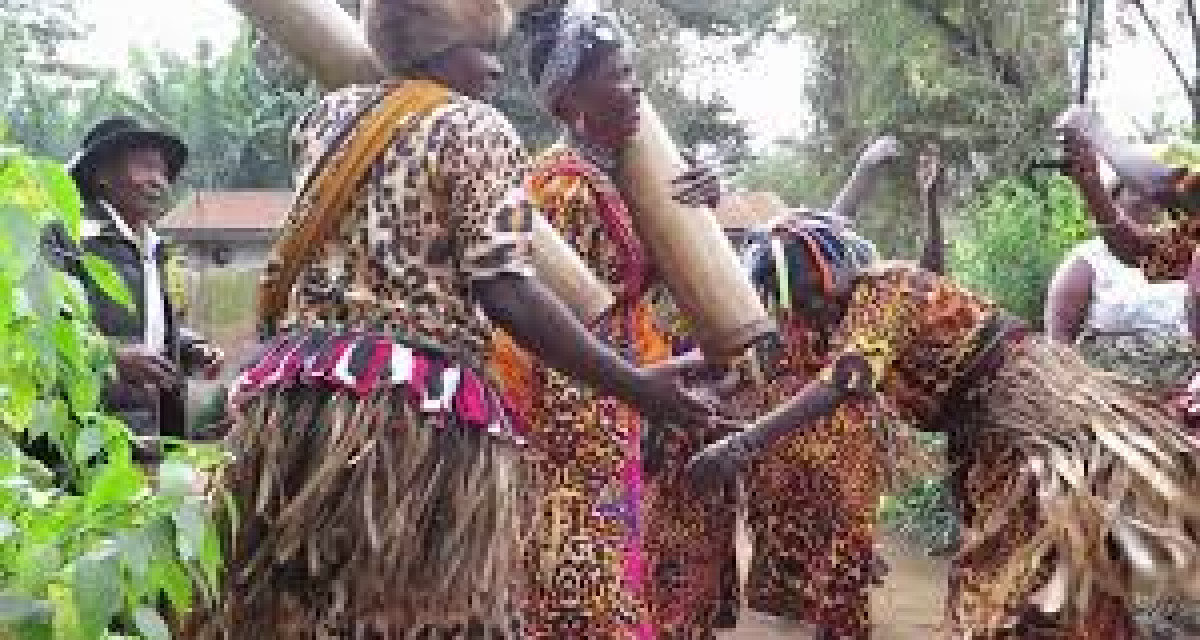
While the Maasai are semi-nomadic pastoralists of the Rift Valley, the Chagga (or Wachagga) are a sedentary, Bantu-speaking people who have famously cultivated the fertile slopes of Mount Kilimanjaro for over a thousand years. They are one of Tanzania's largest and most economically influential ethnic groups, with a culture deeply rooted in intensive agriculture, complex clan systems, and a unique spiritual worldview.
The Land: The "Kihamba" Homestead
The Chagga people have developed a sophisticated system of permanent, family-owned farmsteads known as kihamba.
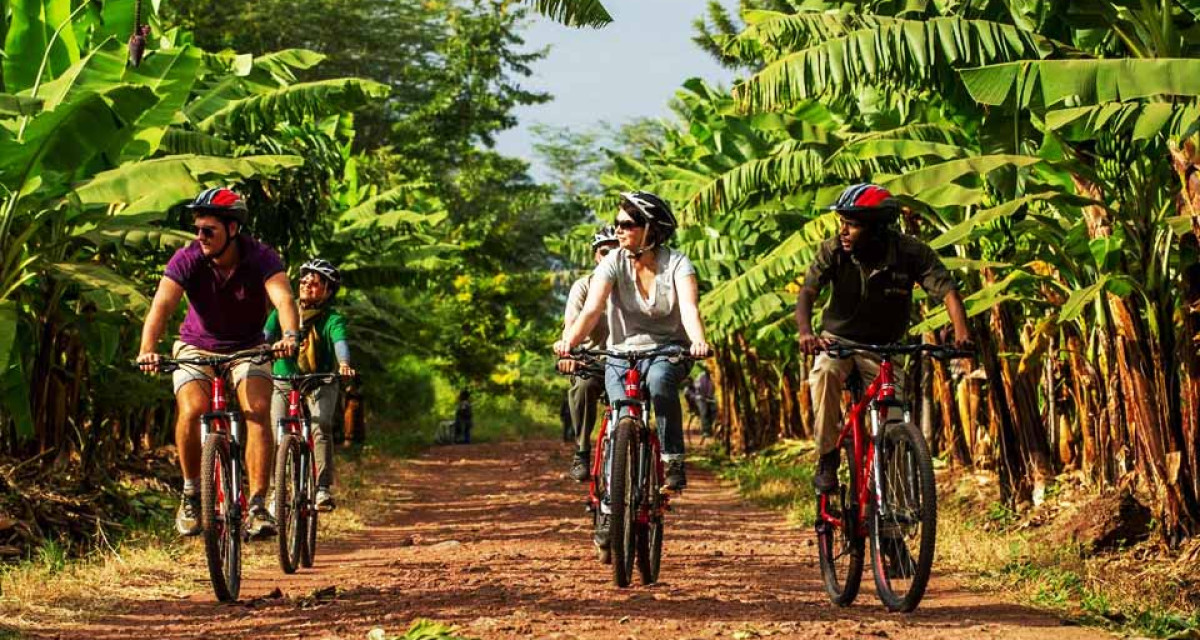
Intensive Agriculture: Life centers on agriculture, with families cultivating bananas, coffee, maize, beans, and other crops on small, carefully managed plots. These homesteads are traditionally surrounded by banana groves, which provide shade, food, and structure to daily life.
Sacred Spaces: Within a kihamba, you will find Kyungu and Kifunyi, which are revered places believed to be the origin or first settlement of the clan. These are marked by a significant tree and the sacred plant, isale. Elders and spiritual leaders meet here to perform rituals, remember ancestors, and ask for help with problems like drought or hunger. These sites act as a medium through which the living communicate with the dead.
Social Structure and History
The Chagga were historically organized into small, independent chiefdoms, each ruled by a mangi (chief).
Ancestral Importance: The names of ancestors and past kings, such as Orombo, Marealle, and Sina, are enshrined in rituals as outstanding figures who contributed to the Chagga people.
Historical Chiefs: The previously mentioned source, "Notes on Chagga customs," was actually written by a native chief, Petro Itoshi Marealle, providing a unique insider perspective on their social institutions.
Religion and Spirituality
The Chagga have a rich spiritual heritage that blends traditional beliefs with modern religions.
Supreme Deity: In traditional Chagga religion, the supreme deity is Ruwa, who is associated with the sun. Ruwa is seen as an active protector and sustainer of the community, not a distant creator.
Ancestral Veneration: The spirits of ancestors are believed to be actively involved in human affairs and are honored to ensure the welfare of their descendants. The spirit world is thought to mirror the living world.
Modern Faith: Today, while many Chagga identify as Christian (Lutheran or Catholic), some continue to blend ancestral memory and symbolic practices with their faith.
Rites of Passage and Family
The Chagga place immense value on family and the continuity of lineage.
The Importance of Children: Having children is highly valued; it is believed that if you have no children, your essence dies with you. A saying among elders is that "a person who lives for eternity must leave a child behind".
Initiation Rites: Historically, young Chagga had to go through elaborate rites of passage.
For Boys: They participated in the Ngasi ceremony, which involved being sent to the forest for days to perform ordeals, hunting, and demonstrating survival skills.
For Girls: They went through the Shija ceremony, which included instruction in rituals, sexuality, procreation, and childrearing.
Colonial Impact: These initiation rites were abolished by the German colonial rulers (who governed from 1885 to 1946), creating a crisis in identity and culture that is still felt today.
Material Culture: The Famous "Mbege"
The Chagga are renowned for a traditional fermented brew known as Mbege. It is made from bananas and millet (eleusine) and plays a significant role in communal gatherings, helping to reinforce intergenerational relationships.
In contrast to the Maasai's mobile life centered on cattle, the Chagga culture is defined by a deep, permanent connection to the land of Kilimanjaro, a sophisticated agricultural system, and a strong emphasis on clan, ancestry, and family continuity.