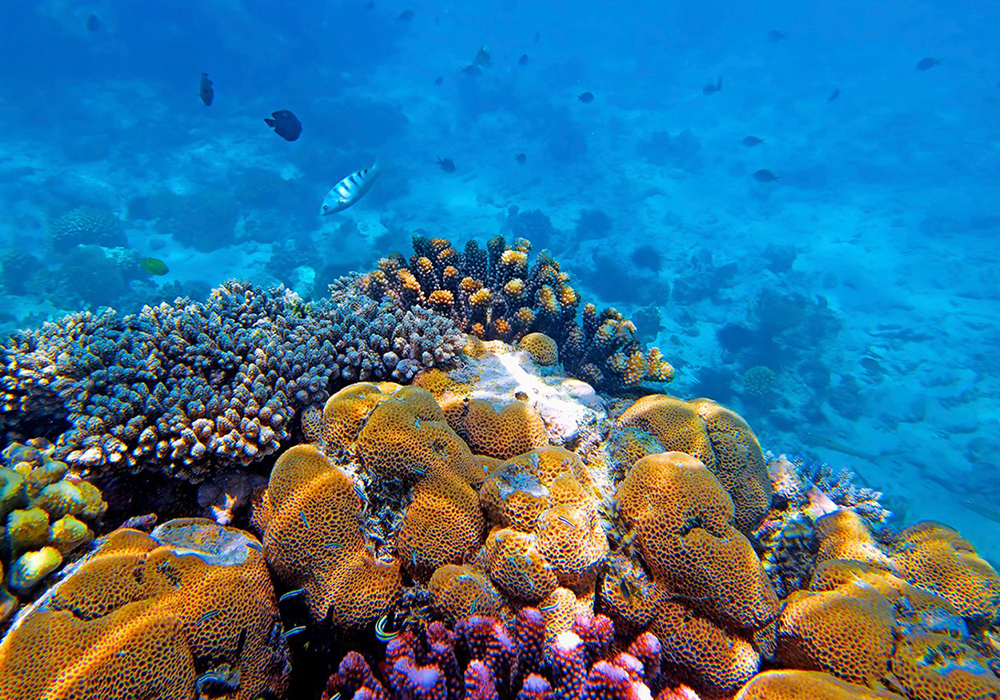
The fringes of the Zanzibar archipelago support some of the most biodiverse aquatic matrix networks in the Indian Ocean. However, rising maritime surface pressures and historically unmanaged artisanal tracking loops have put massive stress on fragile limestone reef shelves.
Community-Led Sanctuary Layouts
To halt the degradation, local coastal villages have initiated protected sanctuary boundaries adjacent to traditional fishing blocks. By installing micro-fragmentation tables and concrete artificial frames, diving conservation units have successfully accelerated natural coral regeneration timelines. This active structural base provides instant cover for critical juvenile reef species.
"By deploying protective zoning lines around the primary Mnemba fringing reefs, local units measured a 28% recovery in green sea turtle nesting success markers over a single seasonal window."
Protecting the Green Sea Turtle Matrix
Beyond hard coral revitalization, these sanctuaries directly shield critical migratory paths. Endangered green sea turtles rely heavily on shallow seagrass beds for foraging before moving up targeted sandbanks to nest. Setting up strict, boat-free buffer matrices ensures these long-term nesting cycles remain completely uninterrupted by passing ocean tourism traffic.